Difference between HTTP, HTTPS, and SOCKS4/5 protocols
Difference between HTTP, HTTPS, and SOCKS4/5 protocols

What is the difference between all proxy protocols and which one should you use?
As you have already read, our topic is "What is the difference?". Let’s look at the main features.
There are only two widely used proxy protocols: HTTP(S) and SOCKS5 proxies. Each is designed for different purposes, but which should you use and which is better? You will learn after reading this article.
SOCKS5 Proxy – Pros and Cons
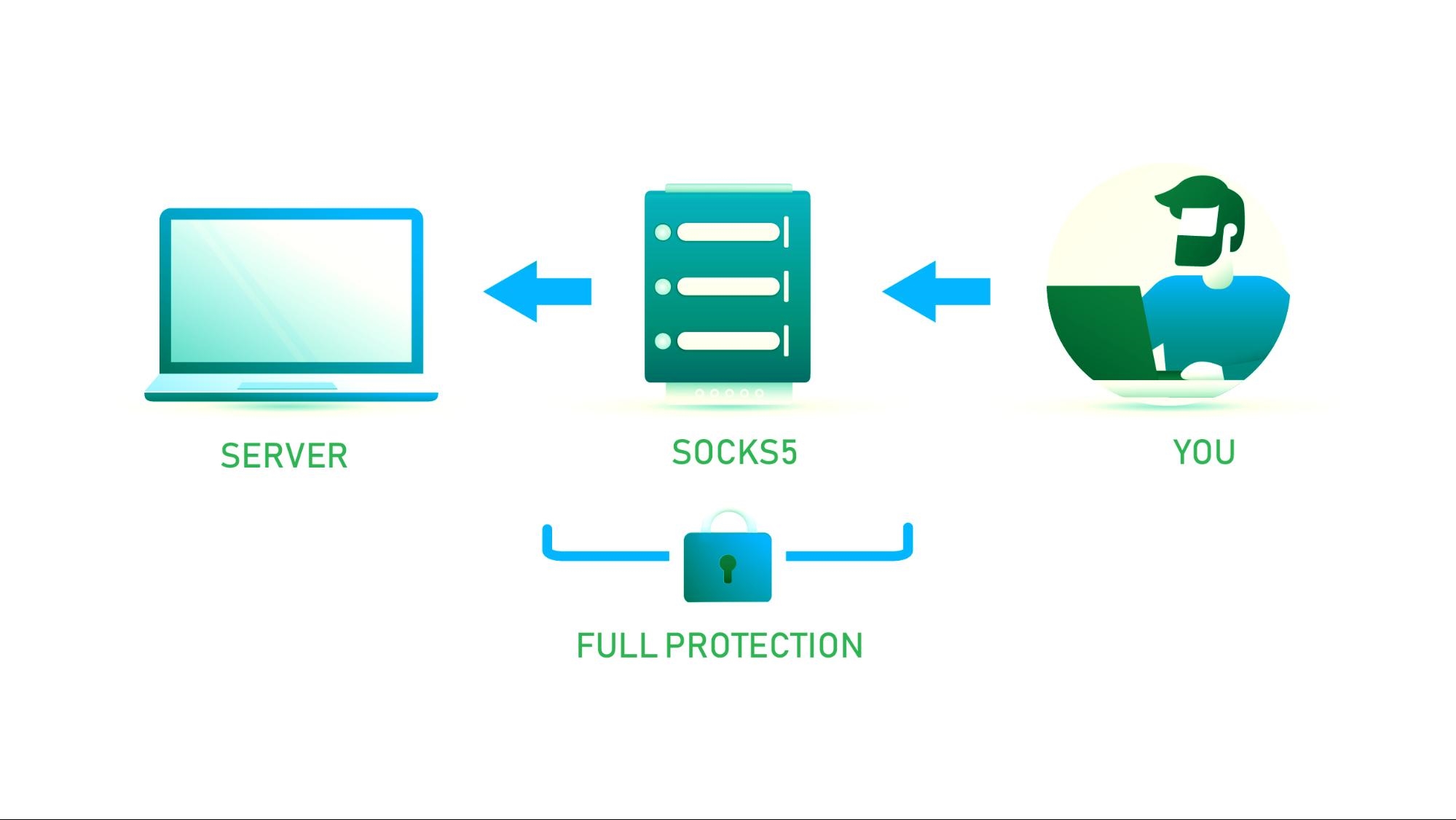
SOCKS5 is the next security level of SOCKS4. This protocol supports both TCP and UDP connections.
- TCP: A direct connection between user and server. The connection continues until all data exchange is complete.
- UDP: Unlike TCP, it does not connect but sends packets. UDP support means slightly higher speed for specific uses, like gaming and streaming.
- SOCKS5 also supports authentication, which helps to prevent malicious attacks.
Advantages of using SOCKS5 Proxy
- Supports both TCP and UDP connections.
- Fewer possible connection errors. Thanks to UDP, sometimes slightly higher speeds are possible.
- Authentication is available for increased security.
Disadvantages of using SOCKS5 Proxy
- SOCKS5 provides maximum protection to the user, but it does not offer any data encryption by itself. Usually, this protocol is used for software.
SOCKS4 Proxy – Pros and Cons
Compared to SOCKS5, SOCKS4 has more disadvantages and is less secure.
- Does not support UDP, only supports TCP.
- Does not support authentication like SOCKS5.
Advantages of using SOCKS4 Protocol
- Supports TCP connections like SOCKS5.
Disadvantages of using SOCKS4 Proxy
- Main disadvantage: You cannot use UDP connections. If you need UDP, this is not your option.
HTTP / HTTPS Proxy – Pros and Cons
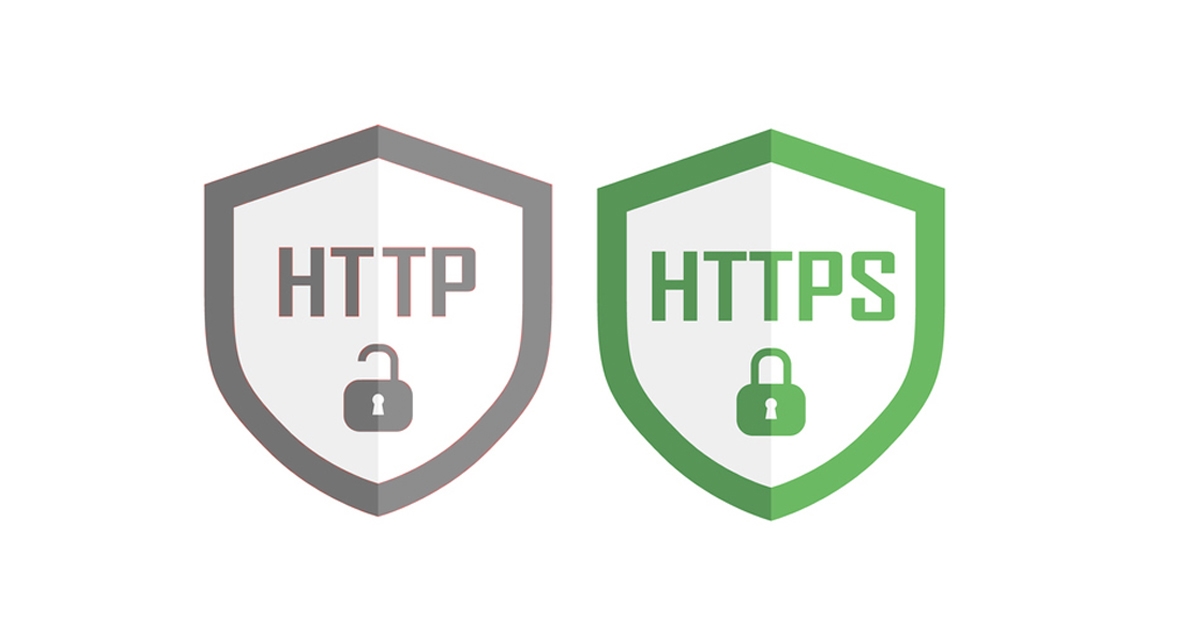
The HTTPS protocol is created for HTTP traffic, and "s" means a higher level of protection compared to regular HTTP, but the function is the same. Only supports TCP connections. This protocol is the most popular. It's used for browsing the Internet or unblocking some restricted websites.
Advantages of using HTTP Protocol
- Depending on the proxy server type, HTTPS connection is supported. This encrypts your data between client and server.
- Easy setup for browsers and many applications.
It is possible to find free servers, but this "pro" can also be a "con" because the operator, security practices, speed, and availability of a free proxy may be unclear. Therefore, the best option is to buy HTTP and SOCKS5 proxies from ArnProxy – which is the opposite of the cons and thus becomes a “pro”.
Disadvantages of using HTTPS Proxy
- UDP protocol is not supported. That’s why many users working with software prefer SOCKS5 proxies.
Now you know the difference – and you are the only one who can make the choice.

MostLogin and ARNPROXY for managing multiple accounts
Keep browser profiles and proxy connections separate. Learn how to configure ARNPROXY proxies in MostLogin and choose between ISP, residential and rotating sessions.
IPv4 Datacenter Proxy vs. ISP Proxy Difference
IPv4 Datacenter Proxy vs. ISP Proxy Difference
Twitch growth automation and proxy guide
Twitch growth automation and proxy guide